
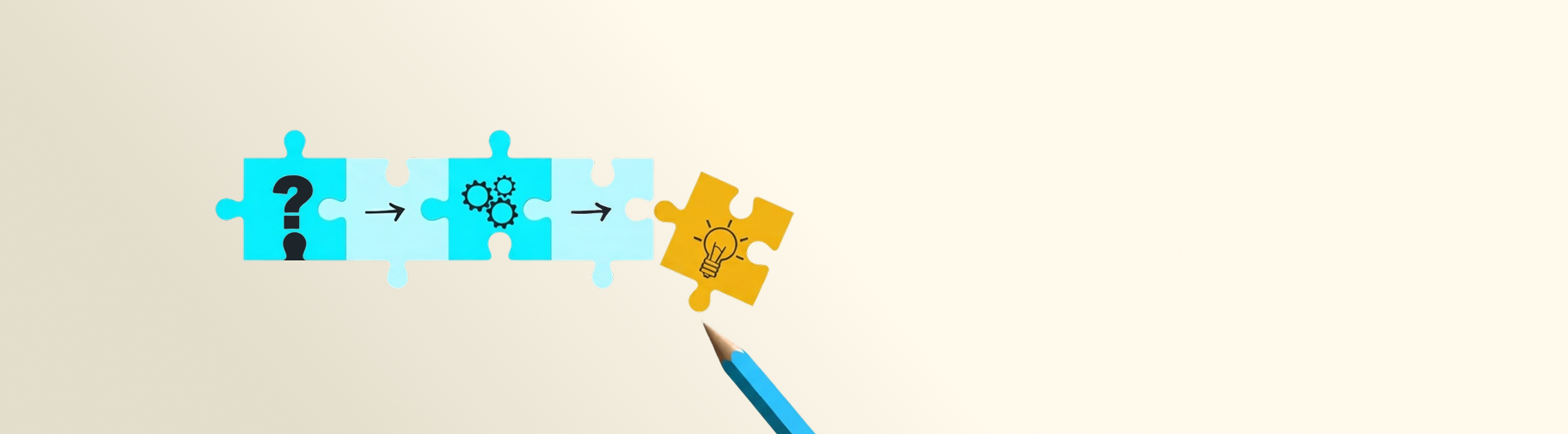
Change won’t wait.
Help your employees design through it using the same process that Fortune 500 companies use to build their digital products.
The Challenge
Change is everywhere. Reorganizations, hybrid isolation, career uncertainty, and a rising expectation that work should mean something. The real question isn’t whether your people face change. It’s whether they design through it, or simply react to it.
Traditional development teaches employees how to do the job. It rarely teaches them how to intentionally design a career and life that support it. That gap shows up as disengagement, burnout, and quiet quitting, the exact outcomes Learning & Development teams are asked to move, often with programs that don’t stick and are hard to measure. Life Design closes that gap with a structured, human-centered method and built-in measurement.
What organizations are up against
Employee disengagement that standard training doesn’t reach
Burnout and well-being erosion across the workforce
Mid-career professionals stalling or quietly leaving
Skills programs that fade without reinforcement or application
Generic wellness perks that feel impersonal and go unused
Development spend that’s difficult to tie to real outcomes
Human-centered design applied to the whole person.
I offer a structured, action-oriented method that takes the design process that technology teams use at Fortune 500 companies and aims it straight at human lives.
The loop participants learn to run
01: Explore
Reflect on life across all five categories and rate the satisfaction of each.
02: Prototype
Design small, low-risk experiments to test without massive change.
03: Reflect
Identify what works, keep what fits, iterate if necessary.
Across five life areas
“This put me back on track to get my life in order — health, finances, friendships, hobbies, and my job. It was an eye opener.”
Workshop participant · Fortune 25 healthcare enterprise
The Business Case
Life Design earns the engagement of a program people actually want, and moves the outcomes that leading research ties to financial return.
SATISFACTION
-
This 90-min session was rated 9.7 out of 10 (82 responses). And 80% of respondents asked to enroll in a multi-week deep dive. Adoption is where most programs die; this one pulls people in.
-
The 4-week deep-dive pilot received a 9.8 rating, but what matters is movement: participants reported measurable improvement in their lives.
-
The percentage of participants who reported measurable improvement in general Life Satisfaction across all categories.
ROI
-
Business units with the most engaged employees are 23% more profitable than the least engaged.
(Gallup — 2025 engagement research) -
Highly engaged teams see up to 43% lower turnover than disengaged ones. Replacing one employee can cost half a year’s salary or more.
(Gallup — Q12 engagement meta-analysis) -
87% of organizations say their well-being programs reduce healthcare costs, and 91% say they lift productivity.
(Wellhub — Return on Wellbeing 2026)
Industry benchmarks showing the returns organizations capture when engagement, development, and well-being improve. They are not a guarantee.
Let’s design your rollout.
All rollouts provide
Experience: 25+ years of Fortune 500 UX design practice behind every exercise.
Safe space: Honest reflection happens in a neutral space outside the managerial reporting line.
Consistency: The same high-quality experience across every cohort, every time.
Measurement: Structured pre/post surveys that grow your outcomes evidence base with every run.
Let’s chat!
If you’re in corporate L&D or employee resource groups, please email me at shannon@shannon-brown.com, and we can arrange a time to discuss the best approach for your organization.